When Good Partnerships Go Quiet: A Three-Month Reset for Boards

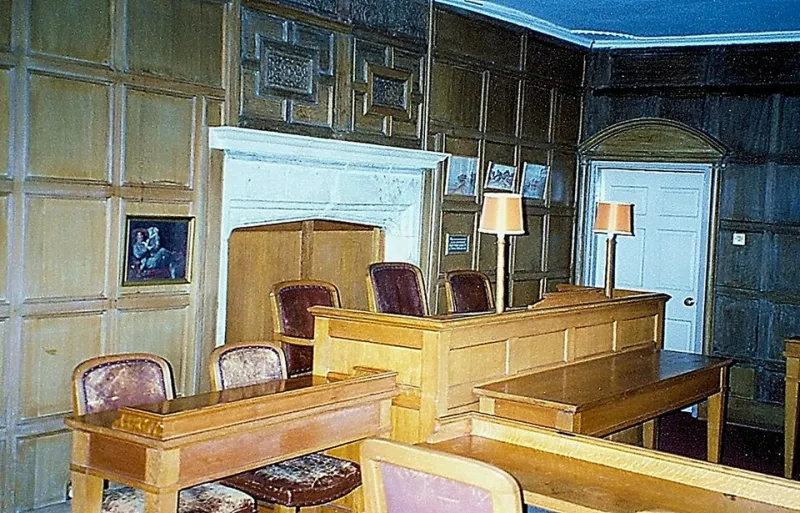
Photo: UK board meeting reviewing partnership performance dashboard and governance papers, via www.shutterstock.com
Most partnerships do not collapse with a dramatic disagreement. They drift. Meetings become updates, decisions are deferred, the same people attend, and the original purpose is assumed rather than tested. For boards, drift is a governance issue. It is not always a reason to start again, and it is rarely necessary to reopen the original memorandum. A structured 90-day reset can restore direction while preserving the legal and relational foundations already in place.
Recognise drift before redesigning
Drift has symptoms. The partnership board receives papers but makes few decisions. Partners attend but do not contribute. Performance reporting describes activity rather than outcomes. Risks are noted but not owned. New stakeholders are absent, and old stakeholders are fatigued. The original business case is cited but no longer used to test priorities.
Boards should resist the temptation to treat these symptoms as a failure of the original agreement. More often, the agreement is sound but the operating rhythm has decayed. The reset should therefore begin with a clear principle: re-clarify purpose and governance within the existing relationship, rather than reopen the memorandum. This distinction matters. Reopening legal terms can trigger lengthy approvals and undermine confidence. A reset can be agreed through a board decision, a revised workplan and a short operating addendum.
Days 1 to 15: Re-clarify purpose and evidence
The first fortnight should be diagnostic. The board sponsor or partnership lead should gather evidence from three sources: the original agreement and business case, the current workplan and performance data, and confidential conversations with partners and key stakeholders. The aim is not to assign blame. It is to establish what has changed.
Questions should be direct. What outcome is this partnership still trying to achieve? Which commitments remain relevant? Where are partners duplicating effort or waiting for each other? What would happen if the partnership stopped tomorrow? The answers should be summarised in a short purpose statement for the next phase. This is not a new memorandum. It is a working statement that sits alongside the existing agreement and gives the board a basis for prioritisation.
The board should also identify its own role. Is it providing assurance, setting direction or both? Does it have the information it needs to challenge performance? If the board has become a spectator, that is a governance finding, not a communications problem.
Days 16 to 45: Refresh governance rhythms
The second phase focuses on the machinery of collaboration. Governance rhythms should be reviewed against purpose. Meeting frequency, membership, quorum, decision rights and escalation routes should all be tested. A partnership board that meets quarterly but receives no performance data between meetings is not governing; it is reviewing history.
Boards should approve a revised terms of reference or a short operating protocol. This should clarify who decides what, how disagreements are escalated and what information the board needs. It should also distinguish operational coordination from assurance. Partners may need frequent operational contact, but the board should not be asked to manage delivery detail.
A performance dashboard is useful only if it is used. The reset should agree a small set of measures that show whether the partnership is delivering its purpose, not just whether activity is happening. Risks should be assigned to named owners. A stop list should be agreed alongside a start list. Partnerships often accumulate meetings, reports and workstreams that no longer serve the purpose. Stopping them is a governance decision, not a retreat.
Days 46 to 75: Re-engage stakeholders and reallocate effort
Drift is often a relationship problem before it is a process problem. Partners may feel peripheral, undervalued or unclear about their role. The reset should include deliberate re-engagement. A stakeholder map should be refreshed, and each significant partner should have a named relationship owner and a clear point of contact.
Re-engagement is not only about meetings. It may involve bilateral conversations, a joint workshop or a revised communication plan. The aim is to restore the habits of collaboration: early warning of problems, honest reporting and shared ownership of decisions.
This phase should also address capacity. If the partnership is under-resourced, the board should see it. Relationship management, governance support and joint bid work all take time. A reset that adds new meetings without releasing capacity is unlikely to succeed. The board should ask what will be stopped, reduced or resourced differently.
Days 76 to 90: Agree the next chapter and lock in review
The final phase converts the reset into a clear plan. The board should approve a short reset charter covering purpose, priorities, governance arrangements, performance measures and the support required. It should also agree a review point, typically six months later, to test whether the reset has changed behaviour.
This is not a relaunch. It is a disciplined refresh. The original memorandum remains in place, but the operating intent is updated. Partners should leave with clarity about what continues, what stops and what happens next. The board should record its decisions and ensure that the lessons from the reset are captured.
What boards should watch
A reset can become theatre if it produces a new document but no change in behaviour. Boards should watch for three warning signs: the same issues appearing in papers without resolution; partners disengaging from the reset itself; and a reluctance to stop activity that no longer serves the purpose.
The test of a successful 90-day reset is not a thicker pack of papers. It is a partnership that makes decisions more clearly, reports more honestly and uses its resources more deliberately. Drift is normal in long relationships. Governance is what brings them back.